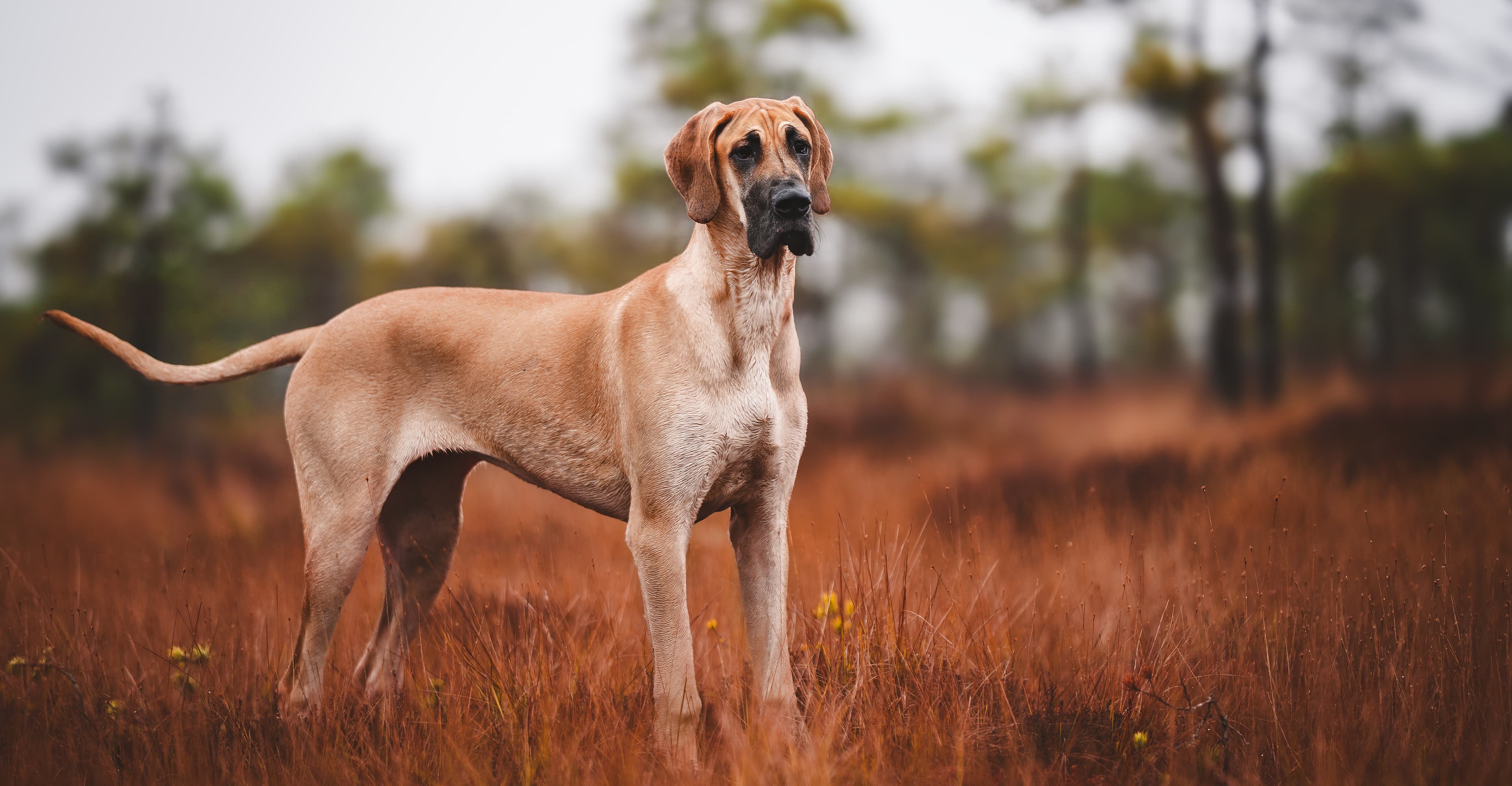
The Great Dane
The Great Dane, often referred to as the "Apollo of all breeds", is a majestic and noble dog known for its impressive stature, elegant build, and gentle demeanor. Despite its intimidating size, the breed is famous for combining raw physical power with a calm, affectionate spirit, earning it a reputation as a true "gentle giant". Originating from medieval Europe, these dogs were initially bred for hunting large and dangerous game such as wild boars, stags, and even bears, tasks that demanded both courage and strength.
Breed history
In the Middle Ages, European nobility relied on large, agile, and courageous dogs to hunt formidable prey across dense forests and open estates. King Frederick II of Denmark imported strong English Mastiffs, which, when crossbred with local German hunting breeds such as the Irish Wolfhound and old English Mastiff lines, formed the genetic basis of the modern Great Dane. These dogs, known as Kammerhunde or "chamber dogs", were given the honor of sleeping in the bedchambers of noblemen and were often adorned with gilded collars as symbols of prestige. By the late 19th century, German breeders formalized the standard under the name "Deutsche Dogge", and in 1880 Germany officially declared it the national breed, distancing it from its earlier English Mastiff associations.
Physical characteristics
Great Danes are well-balanced and elegant, with a square, muscular build, deep chest, and a smooth, powerful gait that reflects both strength and grace. They have a long, rectangular head, a pronounced stop, and an alert, intelligent expression. Ears may be cropped or left natural and folded. Recognized coat colors include fawn, brindle, black, blue, mantle, and harlequin, each with its own distinct markings. Males typically stand at least 80 cm at the shoulder and weigh between 54–90 kg, while females reach a minimum of 72 cm and weigh 45–59 kg, making the Great Dane one of the tallest dog breeds in the world.
Temperament and behavior
Despite their imposing size, Great Danes are affectionate, friendly, patient, and deeply loyal to their families. They are known for being remarkably gentle with children and the elderly, often described as having a calm, dignified awareness of their own strength around smaller or more vulnerable companions. While they may appear reserved or aloof with strangers at first, unprovoked aggression is not typical of the breed and is considered a serious fault by breed standards. Great Danes thrive on companionship and can suffer from separation anxiety if left alone for long periods, making their calm, sociable nature best suited to families who can offer consistent attention.
Care and health considerations
Owning a Great Dane requires genuine commitment, planning, and financial readiness. A carefully balanced diet with controlled calcium and protein levels, along with limited high-impact exercise during their rapid growth phase (roughly 6 to 18 months), is essential to prevent developmental joint issues such as hip and elbow dysplasia. Regular veterinary check-ups are a must, as the breed is prone to serious health concerns including gastric torsion (bloat), dilated cardiomyopathy, wobbler syndrome, and bone cancer. Due to their large frame, Great Danes have a relatively short lifespan of around 7 to 10 years. Grooming needs are minimal thanks to their short coat, though regular nail trims and dental care are important given their size and weight.
Conclusion
The Great Dane combines grandeur with gentleness, making it one of the most beloved and recognizable breeds worldwide. Their loyalty, affection, and surprisingly calm temperament make them exceptional family companions, provided owners are prepared for the space, cost, and dedicated care their size and health needs demand. For the right household, a Great Dane offers not just a striking presence but a devoted and loving companion for life.
Source: Creed Danes – The Breed ↗